
The Secret Behind Perfect Flaky Flatbread: The Science of Crispy, Layered Dough
The Secret Behind Flaky Paratha: Unveiling the Science of Perfect Layer Formation
Whether it is Paratha popular across the Middle East, Malaysia’s Roti Canai, or Chinese Scallion Pancakes, consumers often describe a high-quality layered thin bread using the same key characteristics: crispy, flaky, rich in layers, light in texture, and crunchy on the outside while soft on the inside.
However, few people realize that behind a seemingly simple thin bread lies a sophisticated combination of food science and dough-processing technology. From the interaction between flour and water, to the application of fat, lamination processes, dough relaxation, and final pressing and shaping, every stage directly influences the flakiness and overall eating quality of the finished product.
So, what exactly creates the distinct layers and irresistible crispiness of a well-made thin bread?
The Core Secret of Flakiness: Creating Separation Between Layers
The secret behind crispy thin bread does not lie in a special recipe, but in its layered structure.
Unlike traditional bread, which relies on fermentation to create an airy crumb structure, layered thin breads achieve their characteristic texture through repeated folding and sheeting processes. These processes create multiple thin layers of dough, while fat is applied between layers to prevent them from sticking together.
When the thin bread is heated, moisture trapped between the layers rapidly turns into steam. The pressure generated by the steam forces the layers apart, creating the flaky texture and distinct layering that consumers enjoy.
In the public perception:
The more uniform the layers, the better the flakiness.
But is that really the case?
Drawing on Lian Huat's decade of experience in manufacturing paratha machinery, together with the expertise of bakers from several partner companies, we have observed that once the number of layers exceed a certain threshold, adding more layers can actually diminish the perception of layering and make the product feel denser and more uniform.
When the number of layers becomes excessive, each layer becomes thinner and is is more likely to re-bond with adjacent layers.
This is because consumers do not experience layer quantity; they experience effective layer separation.
In other words, too many layers can create a structure so uniform that is perceived as having no layers at all.
This is why experienced baker aim to achieve the clearest, most stable and more perceptible layered structure based on the the profile of the ingredient to make a high-quality paratha / layered thin bread.
Gluten: The Framework of Flaky Thin Bread
Gluten plays a critical role in maintaining the structural stability of thin bread dough.
The amount of gluten that can be developed largely depends on the protein content of the flour. When flour and water are mixed, glutenin and gliadin proteins combine to form a gluten network that gives the dough its strength and extensibility.
For layered thin bread applications, selecting the right flour protein level is essential.
When Flour Protein is Too Low
- Dough tears easily during sheeting
- Layer becomes less distinct
- Finished products may lack structure and flakiness
When Flour Protein is too High
- Dough tends to shrink back after sheeting
- Excessive elasticity makes stamping process more difficult
- Finished products may become chewy rather than flaky
For this reason, thin bread manufacturers generally seek a balanced flour protein level that provides sufficient dough strength while maintaining the extensibility required for lamination and layering.
Well-developed gluten is important, but excessive gluten development can be just as detrimental as insufficient development The goal is not to use the highest-protein flour available, but to use the flour that delivers the optimal balance between strength, extensibility, and flakiness.
Dough Relaxation: The Most Overlooked Critical Step
Many manufacturers focus heavily on formulations and sheeting equipment while overlooking the importance of dough relaxation.
During the sheeting process, the gluten network is stretched and internal stress builds up within the dough.
If the dough proceeds directly to the next processing stage without sufficient resting time, it may:
- Shrink back after sheeting
- Result in inconsistent product dimensions
Allowing the dough to rest gives the gluten time to relax, making the dough more extensible and easier to process.
This is why many automated thin bread production lines incorporate an Intermediate Resting Zone, ensuring the dough remains stable and consistent throughout the production process.
How Does Automated Production Deliver Consistent Flankiness?
In industrial-scale production, consumers expect every thin bread to deliver the same level of quality and eating experience.
To achieve this consistency, modern thin bread production lines must precisely control:
- Dough formulation
- Mixing time
- Gluten development
- Dough resting time
- Puff Margarine Application
- Lamination process
- Dough sheet thickness
Only when all these factors are carefully balanced can manufacturers consistently produce high-quality layered thin breads with distinct layers, exceptional flakiness, and a delicious crispy texture.
Conclusion: From Food Science to Industrial Production
Creating the perfect flaky thin bread is not the result of a single ingredient or process. Instead, it is the outcome of a delicate balance between gluten development, fat distribution, lamination, dough relaxation etc.
While understanding these principles is important, consistently reproducing them on an industrial scale requires advanced and reliable production technology.
With more than 60 years of experience in bakery machinery manufacturing, Lian Huat Bakery Machinery has been helping food manufacturers around the world transform traditional handmade thin bread production into efficient and highly consistent automated processes.
The Lian Huat Paratha Production Line is designed based on the fundamental principles behind flaky thin bread production, enabling manufacturers to achieve both high productivity and consistent product quality.

Complete Paratha Line (Type L) Make Up
This automated system streamlines the entire production process, from dough sheeting and lamination to shaping and stamping, ensuring uniformity while preserving the traditional taste and flakiness of parathas. Ideal for commercial bakeries and food manufacturers, it enhances productivity while maintaining superior product standards.
Type L Paratha Line
The Type L Paratha Production Line utilizes a proven and reliable laminating process to produce parathas with rich layering and a flaky, tender texture. It is an ideal solution for manufacturers seeking to balance product quality with production efficiency.
This production line is particularly suitable for food manufacturers looking to automate their operations while maintaining excellent product quality and consistent production output.
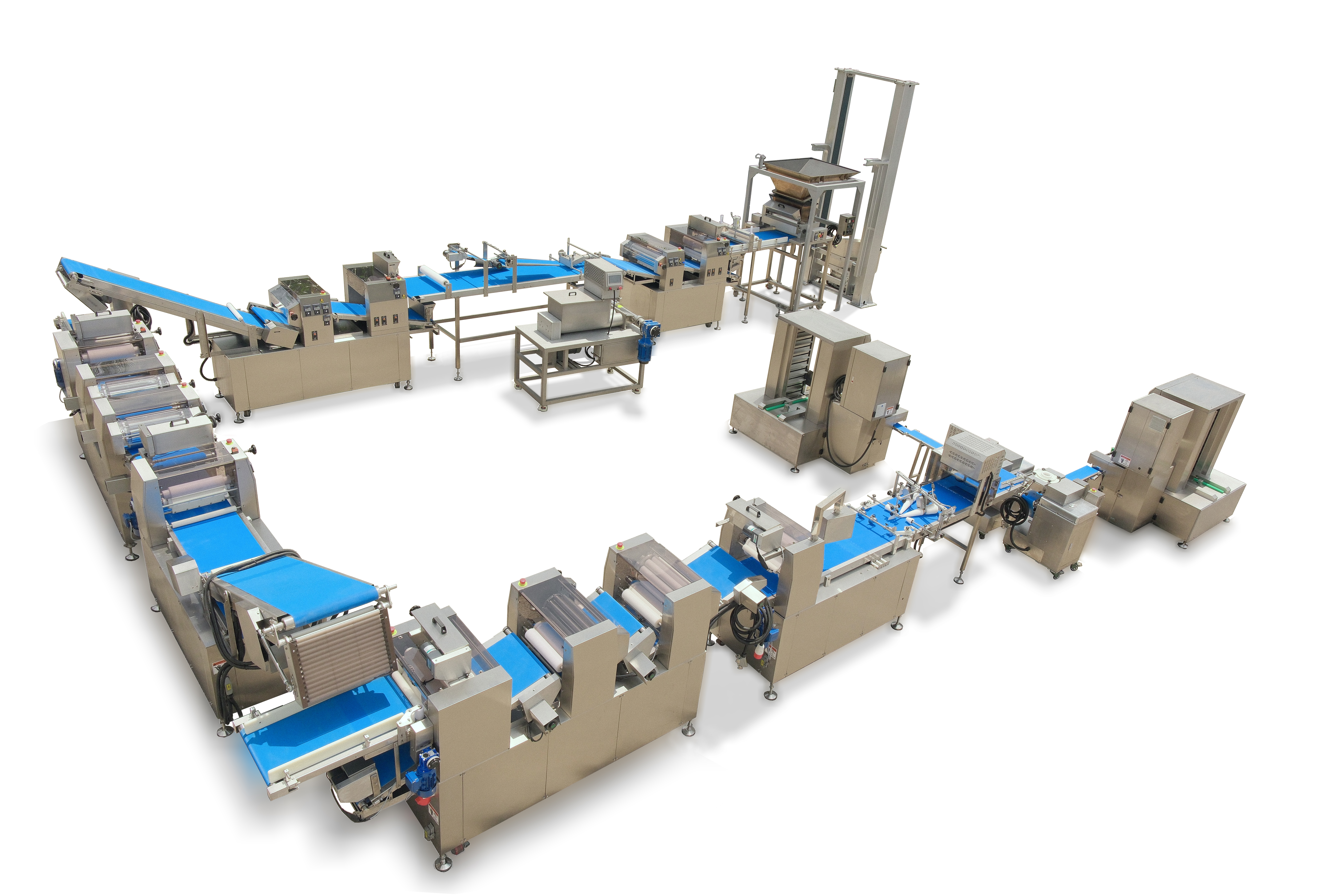
Complete Paratha Line (Type U) Make Up
This advanced automated system optimizes the full paratha production process, from dough sheeting and lamination to shaping and stamping, delivering consistent quality with every batch. Compared to Type L, the Type U line produces parathas with more layers, resulting in an even flakier texture while retaining their authentic taste. Designed for commercial bakeries and large-scale food manufacturers, it boosts efficiency and ensures superior product standards.
Type U Paratha Line
Lian Huat's Type U Paratha Production Line is designed for premium markets and manufacturers seeking superior product quality.
Compared to the Type L configuration, the Type U line offers greater flexibility and control over dough layering. Equipped with an additional laminating machine, it can achieve a substantially higher number of layers, enabling manufacturers to produce parathas with enhanced flakiness, texture, and visual appeal.
Whether your focus is high-volume mass production or premium-value artisanal paratha products, Lian Huat can provide an automated production solution tailored to your market requirements.
Recent Posts
See All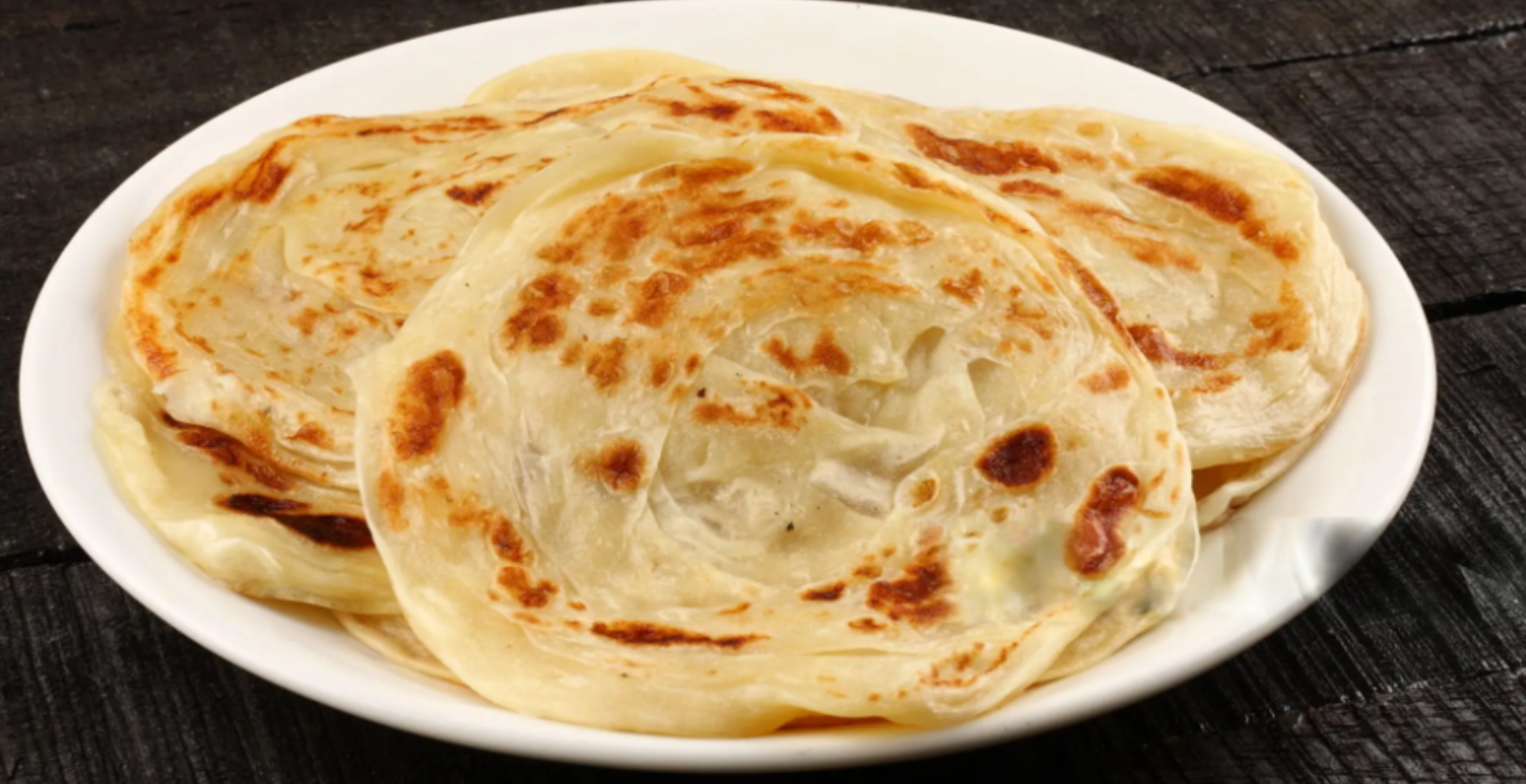
Henrick Low •
Jun 18, 2026 •
6 minutes read
The Secret Behind Perfect Flaky Flatbread: The Science of Crispy, Layered Dough
Explores the science and technology that create the crispy, multi-layered texture consumers love. From gluten development and fat distribution to lamination techniques and steam generation, discover how each stage of the production process contributes to the perfect flaky flatbread. Learn the key factors that separate an ordinary flatbread from an exceptional one.
Read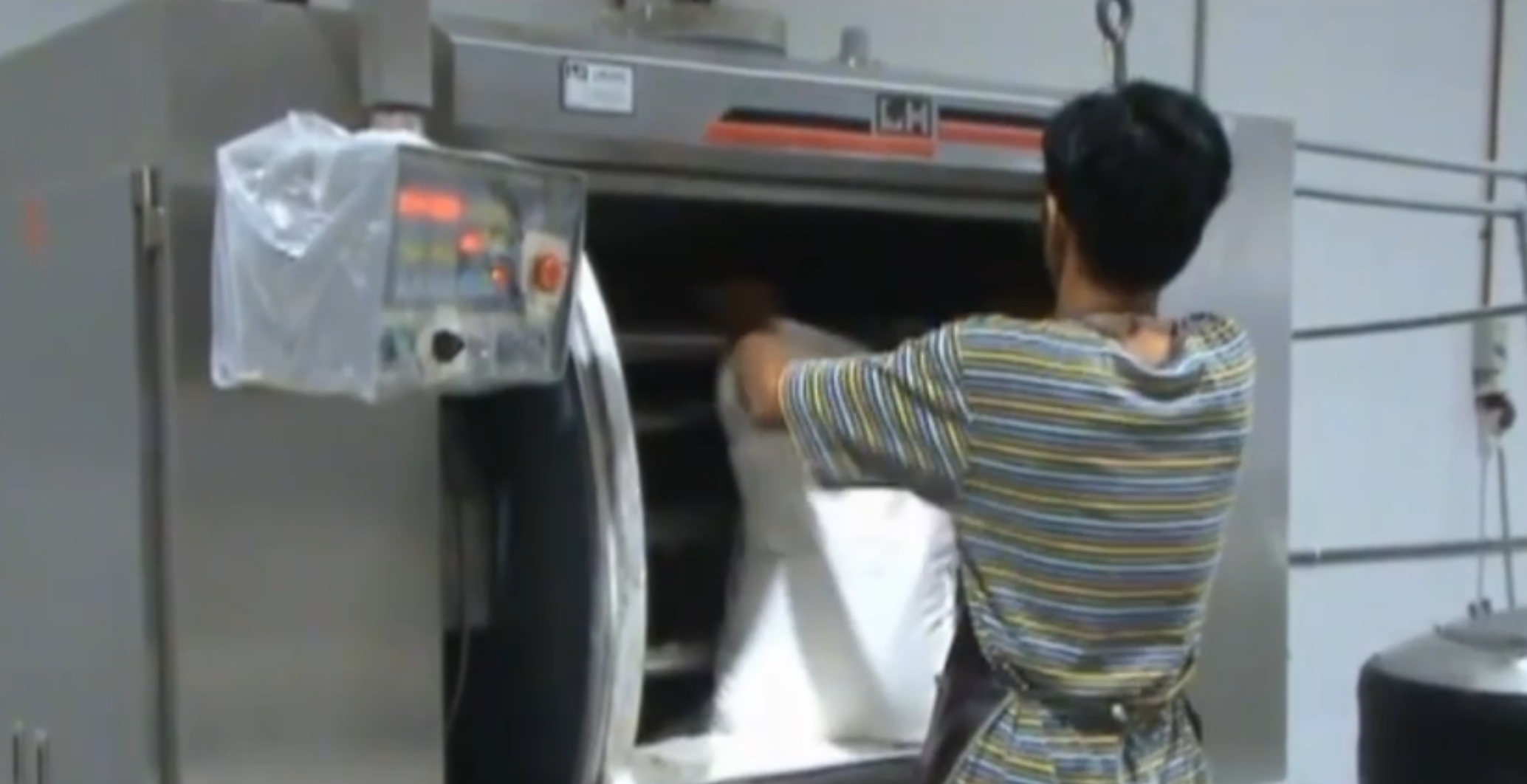
Henrick Low •
Mar 31, 2026 •
4 minutes read
Why Horizontal Mixers Are the Best Fit for the Large-Scale Bakery Industry
A technical overview of why horizontal mixers are ideal for large-scale bakery production, with emphasis on dough temperature control, automation integration, and industrial reliability.
Read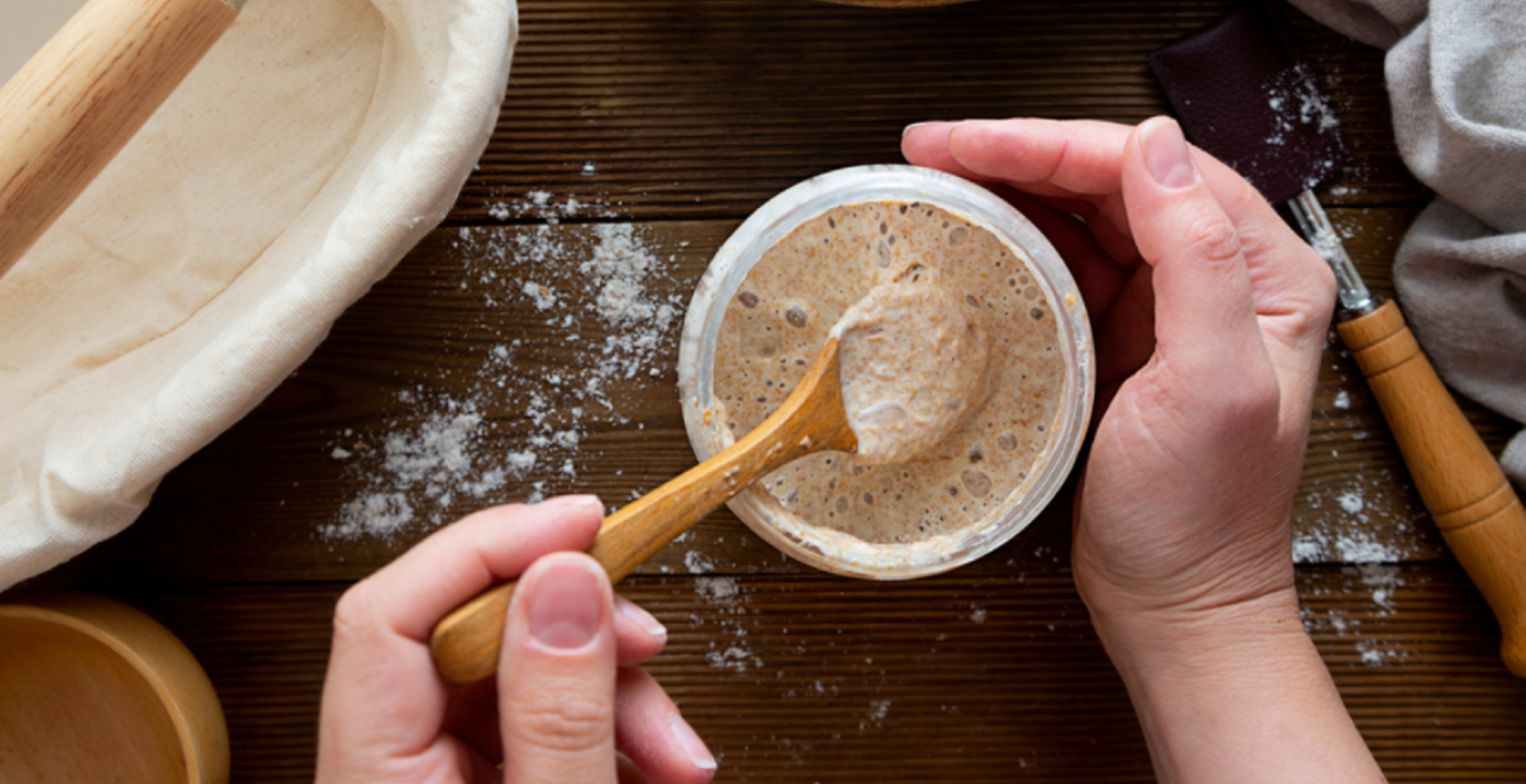
Henrick Low •
Mar 19, 2026 •
8 minutes read
Exploring the Secrets of Baking: A Comprehensive Comparison of Baking Powder and Yeast and the Possibility of Substitution
Baking powder vs. yeast: what's the real difference? And can you swap one for the other? We settle the debate once and for all in our latest blog post.
Read