
Why Horizontal Mixers Are the Best Fit for the Large-Scale Bakery Industry
Why Horizontal Mixers Are the Best Fit for the Large-Scale Bakery Industry
In large-scale industrial bakeries, mixer selection is not only about mixing flour and water, but about process control, dough temperature management, batch consistency, and integration with automated upstream and downstream systems. From an industrial engineering perspective, horizontal mixers are particularly suitable for large-scale bread and bun production due to their thermal control capability and system integration flexibility.
1. Double Jacketed Design and Dough Temperature Control
One of the most critical but often overlooked factors in industrial dough mixing is dough temperature control. In large-scale production, friction generated during mixing can significantly increase dough temperature. If the dough temperature rises too quickly during mixing, yeast activity may begin too early, leading to premature fermentation, inconsistent proofing behavior, and unstable final product quality.
Horizontal mixers designed for industrial applications are often equipped with a double jacketed mixing chamber with a water circulation system. Cold water (or chilled water) is circulated through the jacket surrounding the mixing chamber to remove heat generated during mixing. This provides several important process advantages:
- Maintains stable dough temperature during mixing
- Prevents premature yeast activation during the mixing process
- Improves fermentation control and process repeatability
- Particularly important for sponge & dough systems and long production hours
- Reduces seasonal temperature variation impact on dough quality
By controlling the dough temperature at the mixing stage, the bakery can achieve much more stable fermentation behavior downstream in the divider, rounder, and proofer. This is a key requirement in large-scale automated bread production lines.
2. Suitability for Automated Flour Handling (Silo System Integration)
In large industrial bakeries, flour is typically stored in outdoor silos and conveyed pneumatically into the production area. Horizontal mixers are structurally suitable for direct connection with automatic flour weighing and conveying systems. Flour can be conveyed from the silo to a weighing hopper and then discharged directly into the horizontal mixer, allowing for precise and repeatable batching.
This setup provides process-level advantages rather than just labor savings:
- Accurate flour batching improves dough absorption consistency
- Reduced manual handling improves hygiene control
- Closed transfer system reduces flour dust contamination in the production area
- Enables centralized raw material management and production planning
- Suitable for continuous, multi-shift production environments
From a factory design perspective, the horizontal mixer acts as a central node connecting the raw material handling system (silo, dosing, water system) with the downstream dough handling system (divider, rounder, intermediate proofer, moulder).
3. Industrial Design Considerations – Lian Huat HOM Horizontal Mixer
In heavy-duty industrial dough production, the mechanical reliability of the mixer and the way the agitator develops the dough are critical factors that directly affect dough quality and machine lifespan. The Lian Huat HOM Horizontal Mixer is designed with several industrial-oriented features to address these requirements.
The special Y-Y agitator design ensures gentle but effective dough development, allowing proper gluten formation while minimizing friction heat generation during mixing. This is particularly important in large batch production where excessive heat buildup can affect dough temperature and fermentation control.
The fully stainless steel 304 agitator provides a hygienic mixing environment with strong corrosion resistance and ease of cleaning, making it suitable for food-grade dough production and long-term industrial use.
In terms of power transmission, the mixer is driven by a heavy-duty multi-strand RS80 roller chain equipped with an automatic lubrication system. This design ensures reliable power transmission, reduces mechanical wear, and extends service life under heavy-duty dough mixing conditions, especially in factories operating long hours or multiple shifts per day.

Horizontal Mixer Mixing
Combing innovation, efficiency and precision, our Horizontal Mixers feature a distinctive double jacket design that meets the demands of modern baking and food processing.
Conclusion
For large-scale bakeries, the mixing process is a controlled engineering process rather than a simple mixing operation. Horizontal mixers provide advantages in dough temperature control through double jacketed water circulation systems, compatibility with automated flour silo systems, and heavy-duty mechanical design suitable for continuous industrial production. These factors make horizontal mixers particularly suitable for industrial bakeries that require high production stability, controlled fermentation behavior, and integration into automated production lines.
Recent Posts
See All
Henrick Low •
Jun 18, 2026 •
6 minutes read
The Secret Behind Perfect Flaky Flatbread: The Science of Crispy, Layered Dough
Explores the science and technology that create the crispy, multi-layered texture consumers love. From gluten development and fat distribution to lamination techniques and steam generation, discover how each stage of the production process contributes to the perfect flaky flatbread. Learn the key factors that separate an ordinary flatbread from an exceptional one.
Read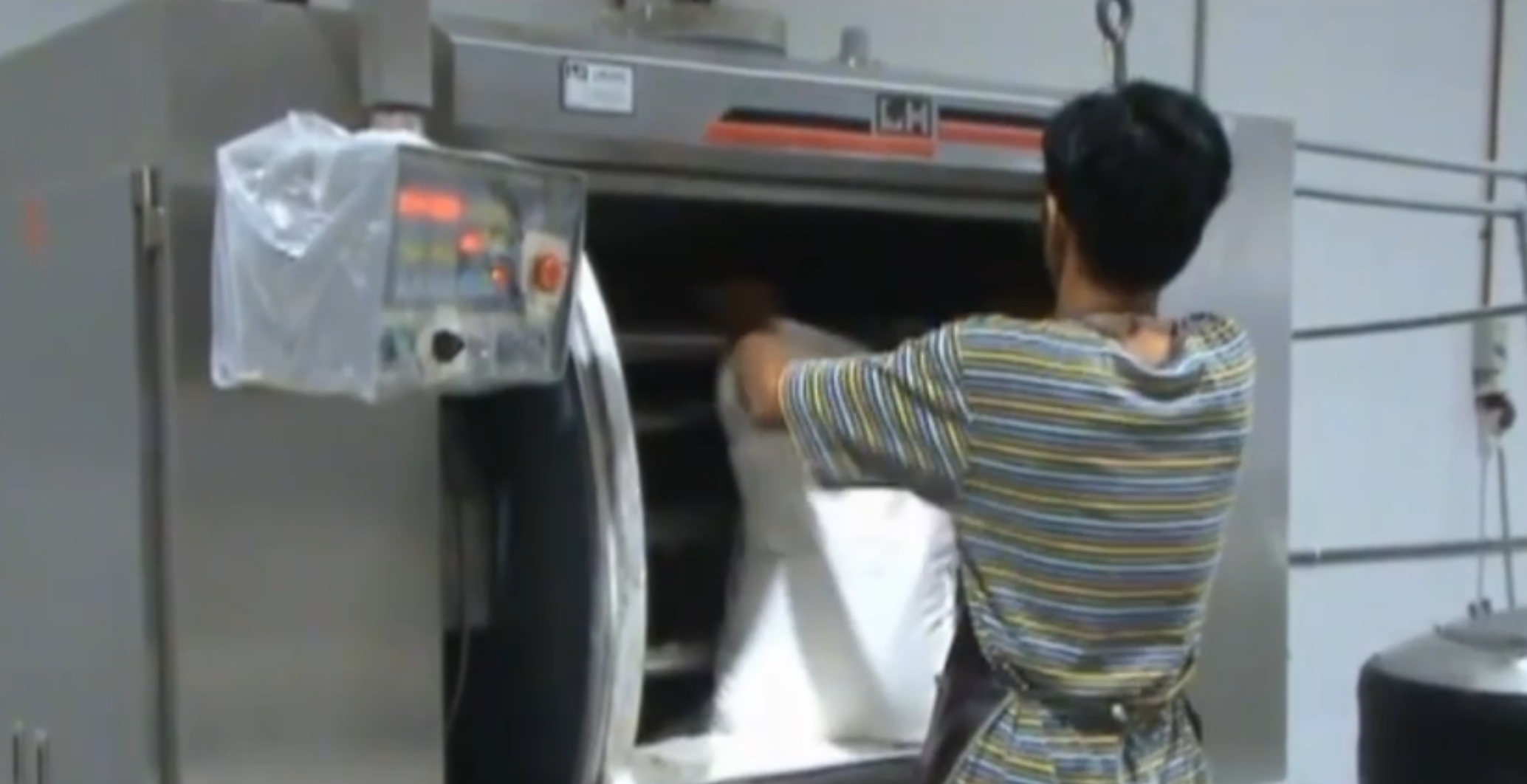
Henrick Low •
Mar 31, 2026 •
4 minutes read
Why Horizontal Mixers Are the Best Fit for the Large-Scale Bakery Industry
A technical overview of why horizontal mixers are ideal for large-scale bakery production, with emphasis on dough temperature control, automation integration, and industrial reliability.
Read
Henrick Low •
Mar 19, 2026 •
8 minutes read
Exploring the Secrets of Baking: A Comprehensive Comparison of Baking Powder and Yeast and the Possibility of Substitution
Baking powder vs. yeast: what's the real difference? And can you swap one for the other? We settle the debate once and for all in our latest blog post.
Read